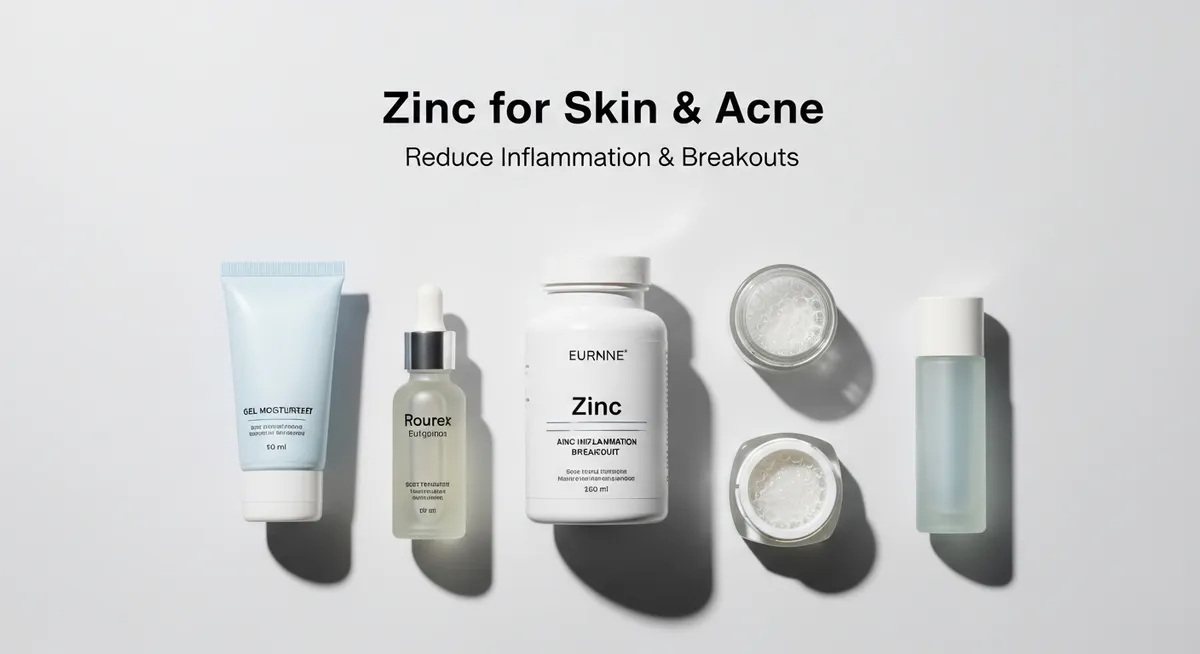
Zinc for Skin and Acne Infographic
Discover the essential steps for zinc for skin and acne. Follow our expert guide to achieve your beauty goals effectively.

Affiliate disclosure: This article contains affiliate links. We may earn a commission at no extra cost to you.

๐ŸŒŸ Introduction

Zinc is arguably the single most important mineral for skin health. It's involved in over 300 enzymatic reactions affecting skin, including wound healing, inflammation, sebum regulation, and collagen synthesis.

Advertisement

Yet up to 30% of the global population is zinc deficient โ€” and acne sufferers are consistently found to have lower zinc levels than those with clear skin. Correcting this deficiency can be transformative.

๐Ÿ”ฌ Why This Matters for Skin & Beauty

Zinc fights acne through multiple mechanisms: it inhibits 5-alpha reductase (reducing DHT), kills P. acnes bacteria, reduces inflammatory cytokines, and regulates keratinocyte activity (prevents pore clogging).

Clinical trials show zinc supplementation reduces acne severity by 33-50% โ€” comparable to low-dose antibiotics but without the gut-damaging side effects.

๐Ÿฅ— Complete Guide to Zinc for Skin

1. Zinc Picolinate (Best for Acne)

The most bioavailable form โ€” 20% absorption rate. Best choice for targeting acne where maximum skin delivery matters. Dose: 30-50mg daily.

2. Zinc Gluconate (Good Budget Option)

14% absorption rate. Widely available and affordable. Effective for acne in clinical trials at 30mg daily.

3. Zinc Bisglycinate (Gentle on Stomach)

Well-absorbed and least likely to cause nausea. Best choice for people with sensitive stomachs.

4. Zinc Carnosine (For Gut + Skin)

Specifically repairs gut lining (leaky gut). Double benefit for people with gut-mediated skin issues. 75mg twice daily for gut healing.

5. How Zinc Clears Acne

Anti-androgenic (reduces DHT), antimicrobial (kills P. acnes), anti-inflammatory (reduces redness and swelling), and anti-keratinization (prevents pore clogging).

6. Zinc Deficiency Signs on Skin

Persistent acne, slow wound healing, white spots on nails, hair loss, rough/dry skin, and frequent infections.

7. Zinc-Rich Foods

Oysters (highest per serving), pumpkin seeds, beef, chickpeas, lentils, hemp seeds, and cashews. Soaking beans/seeds improves zinc absorption.

8. Important: Balance with Copper

Long-term zinc supplementation can deplete copper. Take 1-2mg copper for every 15mg zinc above 30mg daily. Or choose a zinc supplement with copper included.

๐Ÿ“… How to Add This to Your Daily Routine

Morning: Take zinc with a meal (reduces stomach upset and improves absorption).

Afternoon: Separate from iron, calcium, and coffee (these reduce zinc absorption).

Evening: Include 1-2mg copper if taking 30mg+ zinc long-term.

๐Ÿ’Š Best Products to Try

NOW Zinc Picolinate 50mg

Best for: Best absorbed zinc for acne

  • โœ… Picolinate form (highest absorption)
  • โœ… 50mg per capsule
  • โœ… Pure and tested
๐Ÿ‘‰ Check Price on Amazon

Garden of Life Vitamin Code Raw Zinc

Best for: Whole-food zinc with cofactors

  • โœ… 30mg zinc from whole foods
  • โœ… Includes Vitamin C and probiotics
  • โœ… Gentle on stomach
๐Ÿ‘‰ Check Price on Amazon

โš ๏ธ Common Mistakes to Avoid

  • โŒ Taking zinc on an empty stomach (causes nausea)
  • โŒ Not balancing with copper (long-term zinc depletes copper)
  • โŒ Taking zinc with coffee, tea, or calcium (blocks absorption)
  • โŒ Using zinc oxide supplements (poorly absorbed compared to picolinate)
  • โŒ Mega-dosing (more than 50mg/day can cause copper deficiency and immune suppression)

โœ… Quick Checklist

  • โœ… Take 30-50mg zinc (picolinate or bisglycinate form)
  • โœ… Always take with food
  • โœ… Add 1-2mg copper if supplementing above 30mg daily
  • โœ… Separate from coffee, tea, iron, and calcium by 2 hours
  • โœ… Monitor for 8-12 weeks for full skin results

โ“ Frequently Asked Questions

โ“ How long until zinc helps acne?

Some people notice reduced inflammation in 2-4 weeks. Full effects on acne severity typically appear in 8-12 weeks.

โ“ Can zinc replace antibiotics for acne?

Studies show zinc is comparable to low-dose antibiotics (like minocycline) for moderate acne, without the gut-damaging side effects.

โ“ How much zinc is too much?

Upper limit is 40mg from supplements according to NIH. Short-term therapeutic doses of 50mg for acne are common under guidance. Don't exceed 50mg without medical supervision.

โ“ Should I take zinc with food or without?

Always with food โ€” zinc on an empty stomach commonly causes nausea. A meal with protein improves absorption.

โ“ Can I test my zinc levels?

Yes โ€” serum zinc or red blood cell (RBC) zinc tests are available. RBC zinc is more accurate for intracellular levels. Ask your doctor.

๐Ÿ’š Conclusion

Zinc is the unsung hero of skin supplements. Affordable, well-studied, and remarkably effective for acne, zinc addresses multiple root causes simultaneously. If you struggle with persistent breakouts, zinc supplementation should be one of the first things you try. ๐ŸŒฟ