1. Ancient Nile Remedies for Restoration
Ancient Egyptian civilization developed one of the earliest recorded systems of medical care in human history. Among the many treatments documented in medical papyri, herbal medicine for wound healing played a particularly important role. Healers created sophisticated herbal preparations using plant extracts, oils, resins, and honey.
Many of these treatments were recorded in famous medical texts such as the Ebers Papyrus and the Edwin Smith Papyrus. Modern science now confirms that many of the ingredients used in Egyptian wound treatments contain antibacterial, anti-inflammatory, and tissue-repairing properties.
2. The Egyptian Approach to Wound Care
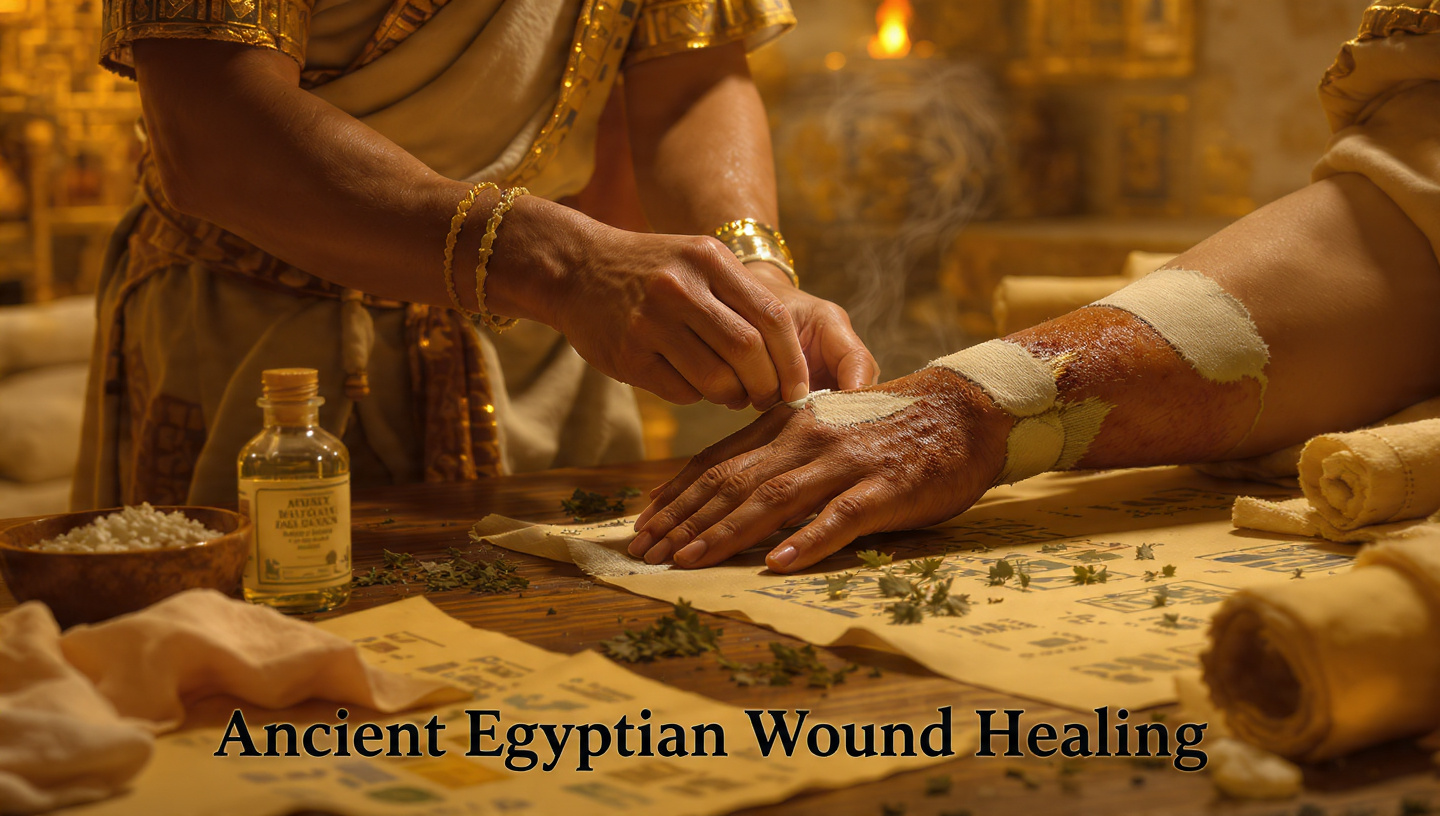
The first step involved cleansing the wound with clean water or herbal preparations to reduce the risk of infection. Next, healers applied medicinal substances that could protect the wound and stimulate healing—often honey, botanical oils, and resins.

Potent natural antibiotics like honey were meticulously prepared for medical application.
Finally, the wound was covered with fine linen bandages to keep the treatment in place. This method closely resembles modern wound care practices, which emphasize cleaning, treating, and protecting the wound during the recovery phase.
3. Key Ingredients in the Healing Pharmacy
- Honey: A primary ingredient with strong antibacterial activity that inhibits harmful bacterial growth while supporting tissue regeneration.
- Myrrh: Extracted from desert trees, this resin provided antiseptic protection and promoted rapid wound closure.
- Aloe Vera: Celebrated for its cooling properties, aloe gel hydrates damaged tissue and stimulates cell regeneration.
- Frankincense: Known for supporting skin resilience and providing antioxidant protection during the repair phase.
4. Traditional Wound Healing Recipes
One of the most common treatments involved applying honey directly to the injured area before covering it with linen. The honey's osmotic effect drew out moisture from bacterial cells, preventing infection. Egyptian healers also infused plant extracts into oils like moringa or sesame to create protective balms that prevented wound dryness.
Another advanced treatment involved mixing aloe gel with powdered resins such as myrrh or frankincense. This created a potent healing paste that allowed physicians to address both inflammation and infection simultaneously.
5. The Essential Role of Bandaging
Linen bandages were an essential component of Egyptian medical practice. Being soft and breathable, linen allowed for proper air circulation while protecting the wound from dust and environmental contaminants. Egyptians were master weavers, and their skilled bandaging techniques insured that medicinal preparations remained in contact with the skin long enough to be effective.
6. Ancient Wisdom in Modern Medicine
Many principles of Egyptian wound care guided modern protocols. Natural substances like honey and aloe vera continue to be studied for their therapeutic potential; medical-grade honey is even used in modern hospitals today to treat chronic wounds and burns that are resistant to standard antibiotics.
7. Final Thoughts
The wound healing traditions of ancient Egypt demonstrate a remarkable level of medical observation and practical wisdom. Their use of nature's pharmacy reminds us that effective healing often begins with the same powerful botanical resources that have supported humanity for millennia.
Manuka Honey (UMF 15+)
The gold standard in wound honey. Medihoney and medical-grade Manuka are used in modern wound care for their powerful antibacterial properties.
View on Amazon →Explore More: Egyptian Beauty
→ Read next: