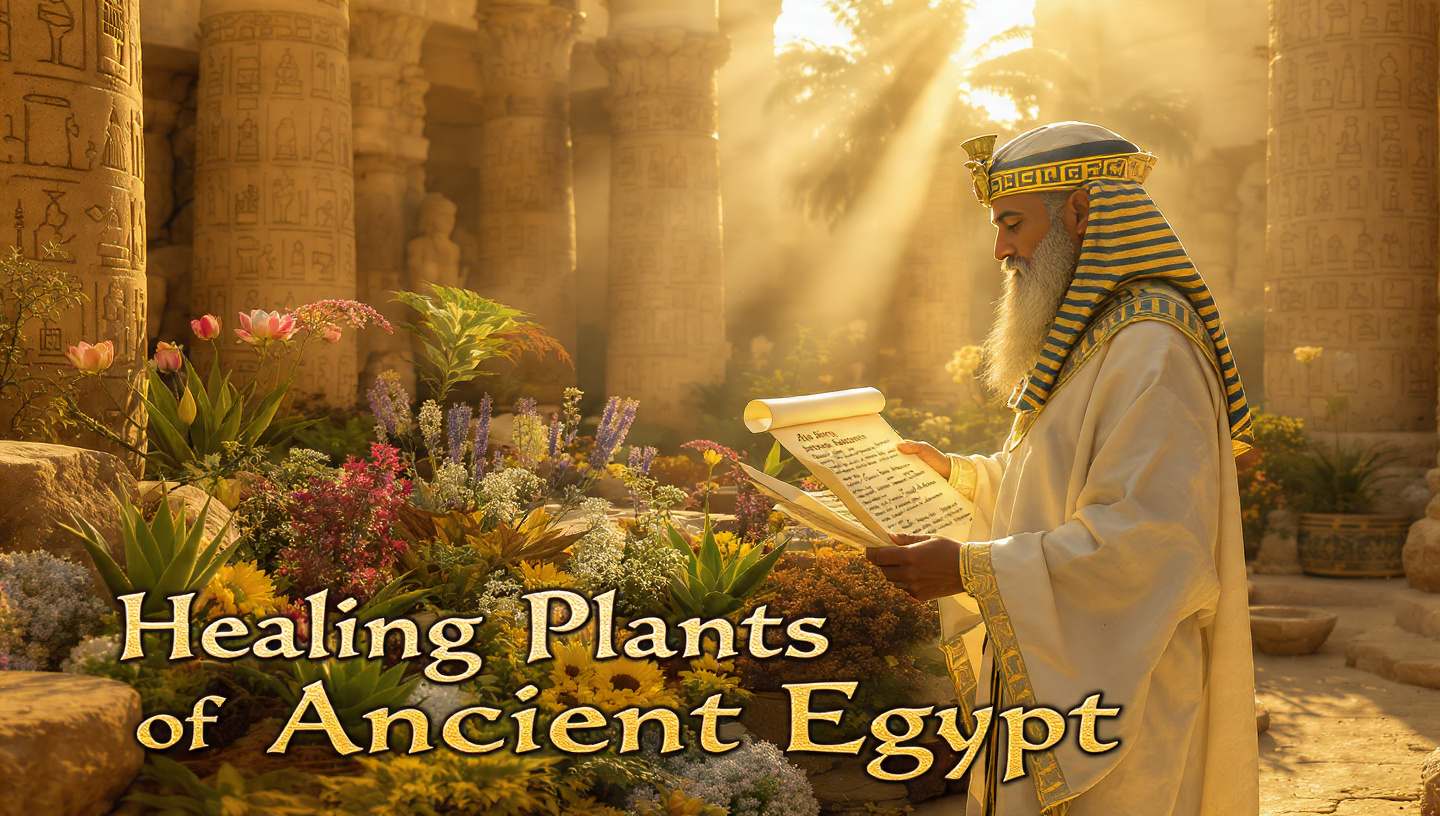
1. The Botanical Wisdom of the Pharaohs
The ancient Egyptians were among the first civilizations to develop systematic knowledge of medicinal plants. Their understanding was so advanced that it influenced medical practices throughout the ancient world and continues to inform modern herbal medicine today. The Ebers Papyrus, dating to approximately 1550 BCE, contains detailed descriptions of hundreds of medicinal plants, their preparation methods, and their applications for treating everything from skin conditions to digestive ailments.
What made Egyptian botanical medicine unique was its integration of practical observation with spiritual understanding. Egyptian healers believed that plants possessed both physical healing properties and spiritual energies, and that effective treatment required addressing both dimensions.
2. Aloe Vera — The Plant of Immortality
Aloe vera was known to the ancient Egyptians as the "plant of immortality" and was one of the most important medicinal plants in their pharmacopoeia. Depictions of aloe appear in Egyptian temple carvings, and jars containing aloe resin have been found in the tombs of pharaohs.

Healers combined potent botanical extracts with carrier substances like honey and oils for topical application.
Modern science has identified over 75 active compounds in aloe vera gel. The most significant for skin health include acemannan, which supports cell regeneration, and anthraquinones, which provide potent anti-inflammatory and antimicrobial effects.
3. Lotus — Rebirth from the Waters
The lotus was perhaps the most sacred plant in ancient Egypt, symbolizing creation and rebirth. In medicine, lotus was used to treat various conditions, particularly those affecting the skin. The petals were steeped to create fragrant waters for cleansing and toning.
Blue lotus contains several significant bioactive compounds, primarily nuciferine. For skin health, it provides antioxidant protection through its flavonoid content and improves circulation, supporting the delivery of oxygen to skin tissues.
4. Papyrus — The Ancient Medicine Carrier
Beyond its role as a writing surface, papyrus (Cyperus papyrus) itself had medicinal applications. The pith of young papyrus shoots was believed to have cooling properties and was used to treat fever and internal heat.
Modern research on related sedge species shows they contain compounds with anti-inflammatory and antimicrobial properties. The holistic use of papyrus reflects the Egyptian integration of knowledge (recorded on the plant) and substance (the plant itself).
5. Coriander — The Digestive and Skin Antiseptic
The Ebers Papyrus mentions coriander as a treatment for various conditions. Internally, it was valued for digestive health, while externally it was applied in washes and poultices to treat inflammation and infections.
Coriander seeds contain over 50 aromatic compounds, with linalool being the most significant. Its antimicrobial properties make it useful for treating fungal skin infections and soothing surface irritation through antioxidant protection.
6. Flax — Nourishment for Skin and Spirit
Egyptian mummies were wrapped in linen made from flax, and the seeds were both consumed and applied externally. Flaxseed is one of the richest plant sources of omega-3 fatty acids, which are crucial for maintaining the skin's lipid barrier.
Consuming flaxseed has been shown to improve skin hydration and reduce sensitivity by strengthening the barrier function. The systemic anti-inflammatory effects of omega-3s help balance the skin's internal environment.
7. Fenugreek — The Curative Spice
Egyptians used fenugreek poultices to draw out impurities from wounds and infections. Internally, it was used to "purify" the blood, a traditional concept related to supporting the body's natural detoxification pathways.
Fenugreek contains diosgenin and various saponins. It demonstrates anti-inflammatory effects and has been shown to promote collagen synthesis and tissue regeneration when used in traditional skincare preparations.
8. The Living Legacy of Egyptian Botany
The healing plants of ancient Egypt form the foundation of what may be the world's oldest systematic herbal medicine. By understanding how these plants interact with the body, we can re-learn the profound connection between the botanical world and our own physical vitality.
🛡️ Disclaimer
This guide is for educational purposes only and does not constitute medical advice. Always consult with a qualified healthcare provider before using herbal remedies.