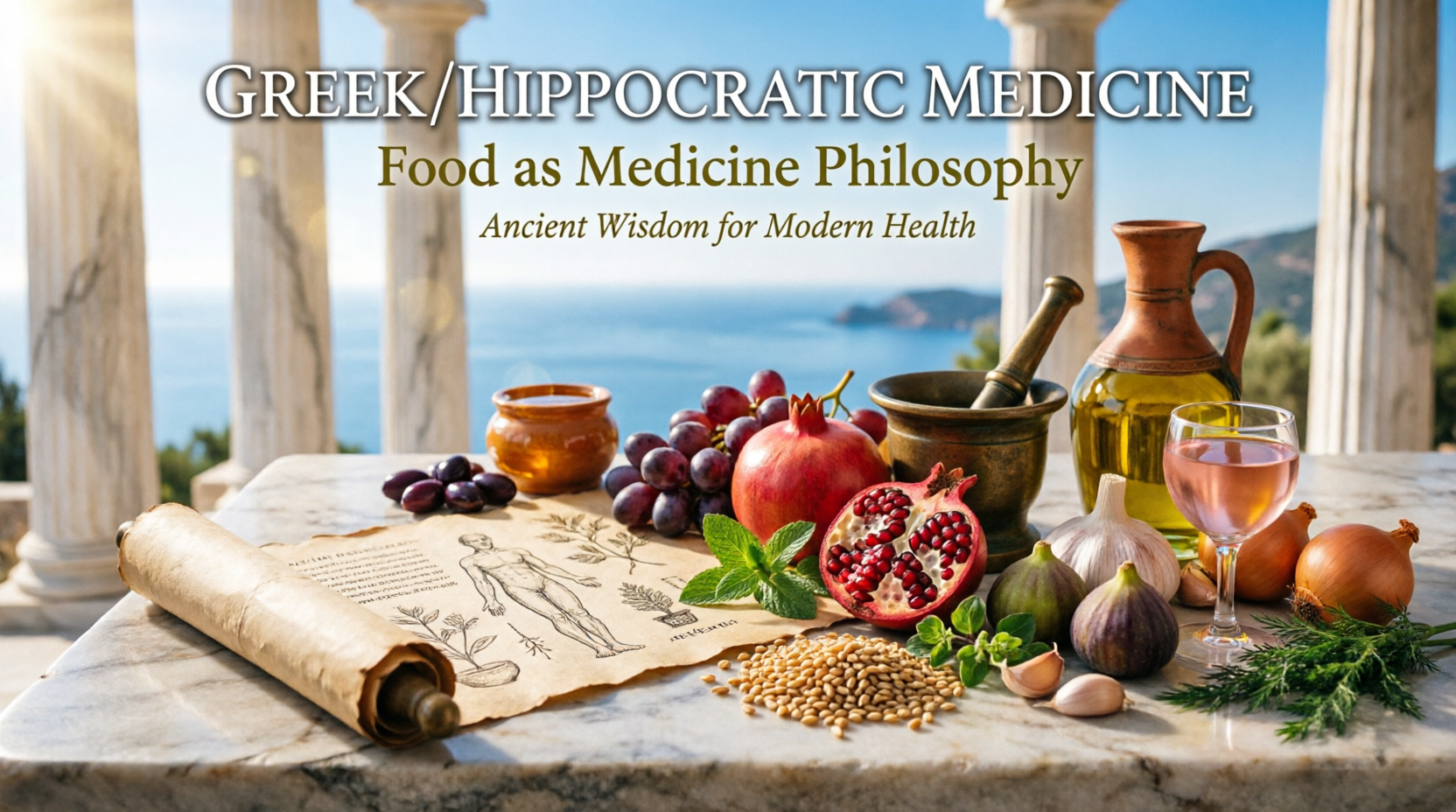
"Let food be thy medicine and medicine be thy food." These timeless words, attributed to Hippocrates over 2,400 years ago, continue to resonate in our modern world. This comprehensive guide explores the profound wisdom of ancient Greek medicine, revealing how the Hippocratic tradition viewed nutrition not merely as sustenance, but as the foundation of health and the primary tool for healing.
Holistic Healing ⭐Introduction: The Timeless Wisdom of Hippocratic Medicine
In the cradle of Western civilization, on the sun-drenched shores of ancient Greece, a revolutionary approach to medicine was born—one that would shape healthcare for millennia to come. At the heart of this medical tradition stood Hippocrates of Kos (c. 460-370 BCE), often hailed as the "Father of Medicine," whose teachings fundamentally transformed how humanity understands health, disease, and healing.
Unlike the mystical and supernatural explanations of illness that dominated earlier eras, Hippocratic medicine introduced a rational, observational approach grounded in natural causes and effects. This paradigm shift placed human beings at the center of their own healing journey, emphasizing that the body possesses an innate capacity to restore balance and health when provided with the right conditions.
Among the most enduring and revolutionary concepts of Hippocratic medicine is the principle that food serves as our first and most powerful medicine. This wasn't merely a philosophical ideal but a practical framework that guided daily life, therapeutic interventions, and preventive healthcare for centuries. The ancient Greeks understood what modern science is only now rediscovering: that what we eat profoundly influences every aspect of our physical, mental, and emotional well-being.
This guide delves deep into the rich tapestry of Greek/Hippocratic medicine, with special emphasis on its food-as-medicine philosophy. We'll explore the theoretical foundations that underpinned this ancient system, examine the diagnostic methods used by Hippocratic physicians, discover the specific foods and dietary principles they prescribed, and understand how these timeless teachings remain remarkably relevant in our contemporary world of chronic disease and nutritional confusion.
Chapter 1: Historical Foundations - Hippocrates and the Birth of Rational Medicine
The Life and Times of Hippocrates
Hippocrates was born around 460 BCE on the island of Kos, located in the southeastern Aegean Sea. This period, known as the Classical Age of Greece, was a time of extraordinary intellectual ferment. It was the era of Socrates, Plato, and the birth of Western philosophy; of Pericles and the golden age of Athens; of dramatic innovations in theater, architecture, and the arts.
Come from a family of physicians—his father Heraclides was reportedly a doctor—Hippocrates was trained in the healing arts from an early age. According to tradition, he studied under his father and grandfather, both physicians, and later traveled extensively throughout Greece and Asia Minor, learning from various medical traditions and observing different approaches to healing.
What set Hippocrates apart from his contemporaries was his radical insistence on separating medicine from religion and superstition. In an age when illness was commonly attributed to divine punishment or demonic possession, Hippocrates proposed that diseases had natural causes and could be understood through careful observation and rational analysis.
The Hippocratic Corpus
The teachings attributed to Hippocrates are contained in a collection of around 60 medical works known as the Hippocratic Corpus. Modern scholars believe these texts were written by multiple authors over a period of time (roughly 510-300 BCE), representing the collective wisdom of the Hippocratic school of medicine rather than the work of Hippocrates himself alone.
Among the most important texts in the Corpus for understanding Greek dietary medicine are:
- "On Ancient Medicine" - A foundational text that critiques earlier medical theories and establishes the importance of diet and regimen
- "Airs, Waters, Places" - Examines how environmental factors, including food and water quality, affect health
- "On Regimen" - A comprehensive work on diet, exercise, and lifestyle
- "On the Nature of Man" - Establishes the theory of the four humors
- "Aphorisms" - A collection of memorable medical sayings, including the famous "Let food be thy medicine"
- "On Nutriment" - Detailed discussions of various foods and their properties
The Hippocratic Oath and Medical Ethics
Perhaps the most famous legacy of Hippocratic medicine is the Hippocratic Oath, which established ethical principles for medical practice that remain influential to this day. While the original oath has been modified over the centuries, its core principles—including the commitment to do no harm, maintain patient confidentiality, and practice medicine with integrity—continue to guide healthcare professionals worldwide.
Importantly, the oath also emphasized the physician's role as a teacher and guide, helping patients understand how to maintain their own health through proper living, diet, and lifestyle choices. This educational aspect of medicine reflects the Hippocratic belief that true healing requires active participation from the patient.
The Asclepieia: Ancient Healing Centers
Hippocratic medicine was practiced in various settings, but one of the most important was the Asclepieia—healing temples dedicated to Asclepius, the god of medicine. The most famous of these was located on the island of Kos, where Hippocrates himself reportedly taught.
These healing centers were remarkably sophisticated for their time. They featured separate wards for different types of illnesses, bathing facilities, exercise areas, and spaces for rest and contemplation. Patients received comprehensive care that included dietary therapy, herbal medicines, massage, hydrotherapy, and psychological support.
Related Article
Explore more about ancient healing traditions in our comprehensive guide to Ancient Greek Medicine & Hippocrates Healing Philosophy and learn how these ancient principles connect to modern holistic health practices.
Chapter 2: The Core Principles of Hippocratic Medicine
The Theory of the Four Humors
At the foundation of Hippocratic medical theory lies the doctrine of the four humors (体液, chymoi), which dominated Western medicine for over two thousand years. According to this theory, the human body contains four vital fluids or humors, each associated with specific qualities, elements, seasons, and temperaments:
The Four Humors and Their Correspondences
- Blood (Sanguis): Hot and moist; associated with air, spring, and the sanguine temperament (cheerful, passionate)
- Yellow Bile (Chole): Hot and dry; associated with fire, summer, and the choleric temperament (ambitious, energetic)
- Black Bile (Melaina Chole): Cold and dry; associated with earth, autumn, and the melancholic temperament (thoughtful, reserved)
- Phlegm (Phlegma): Cold and moist; associated with water, winter, and the phlegmatic temperament (calm, unemotional)
Health, in the Hippocratic view, was defined as eucrasia—the proper mixture and balance of these four humors. Disease resulted from dyscrasia—an imbalance or corruption of one or more humors. The goal of medical treatment was to restore the natural balance through various interventions, with diet being the primary and gentlest method.
Each individual was believed to have a unique humoral constitution, influenced by factors such as age, sex, geographic location, season, occupation, and lifestyle. A young person, for instance, was considered naturally hotter and moister (more sanguine), while an elderly person was colder and drier (more melancholic). Understanding a patient's individual constitution was essential for prescribing appropriate dietary and therapeutic regimens.
Continue Your Journey
Discover how the ancient Greek humoral theory evolved and influenced other traditional medical systems. Read our complete guide to What is Unani Medicine to learn how this Greek foundation was preserved and expanded by Arab and Persian physicians.
The Four Elements and Their Qualities
The theory of humors was intimately connected to the broader Greek cosmological framework of the four elements: earth, water, air, and fire. Each element possessed two of four fundamental qualities:
- Earth: Cold and Dry
- Water: Cold and Moist
- Air: Hot and Moist
- Fire: Hot and Dry
These same qualities—hot, cold, moist, and dry—were used to classify foods, medicines, diseases, and even personality types. This qualitative framework allowed Hippocratic physicians to create a comprehensive system for understanding how different substances and conditions would affect the body's humoral balance.
For example, a fever was considered a "hot" condition, so it would be treated with "cooling" foods and therapies. Conversely, a condition characterized by excess phlegm (cold and moist) would require "warming" and "drying" interventions. This system of opposites—treating hot with cold, dry with moist—became a fundamental principle of Hippocratic therapeutics.
Vis Medicatrix Naturae: The Healing Power of Nature
One of the most profound and enduring concepts in Hippocratic medicine is vis medicatrix naturae—the healing power of nature. The Hippocratics believed that the human body possesses an innate intelligence and capacity to heal itself when provided with appropriate conditions.
As stated in the Hippocratic text "On the Nature of Man": "Natural forces within us are the true healers of disease." The physician's role was not to "cure" the patient through forceful interventions but to support and facilitate the body's own healing processes by removing obstacles to cure and providing what the body needed to restore balance.
This principle had profound implications for medical practice. It meant that gentle, supportive therapies—particularly proper diet, rest, and hygiene—were preferred over aggressive interventions that might disrupt the body's natural healing processes. It also emphasized the importance of prevention and maintaining health through proper living, rather than simply treating disease after it had manifested.
Individual Constitution and Personalized Medicine
Hippocratic medicine was fundamentally personalized. The Hippocratic physicians recognized that the same disease could manifest differently in different individuals, and that treatments needed to be tailored to each person's unique constitution, circumstances, and stage of illness.
The text "Airs, Waters, Places" emphasizes this point: "It is necessary to consider the seasons of the year and what effects each of them produces... the situations of towns and the winds to which they are exposed... the waters which the inhabitants use... and the mode of life of the inhabitants."
This holistic, individualized approach extended to dietary therapy. A food that was beneficial for one person might be harmful for another, depending on their humoral constitution, age, occupation, environment, and current state of health. This recognition of individual variation in response to food and treatment anticipates modern concepts of personalized nutrition and precision medicine.
Chapter 3: The Food as Medicine Philosophy
This famous aphorism, though its exact attribution to Hippocrates is debated among scholars, perfectly encapsulates the central role of nutrition in Hippocratic medicine. For the ancient Greeks, food was not merely fuel for the body but a powerful therapeutic agent that could prevent disease, restore health, and optimize vitality.
Diet as First-Line Therapy
In the Hippocratic approach, dietary intervention was always the first line of treatment. The text "On Ancient Medicine" states: "I am of the opinion that the person who first began to pay attention to the diet of the sick was a man of great intelligence... For in no other way could he have discovered what is beneficial and what is harmful."
The Hippocratic physicians believed that most diseases originated from improper diet and could be cured by correcting dietary errors. Only when dietary therapy proved insufficient would they progress to other interventions such as herbal medicines, purgatives, or surgical procedures. This stepwise approach—starting with the gentlest, most natural interventions—reflected their respect for the body's healing power and their desire to avoid causing harm.
Explore More Ancient Wisdom
Discover how ancient civilizations used food as medicine in our comprehensive article on Food as Medicine in Ancient Healing Systems and learn about the Mediterranean diet's connection to ancient Greek eating principles in our guide to Mediterranean Diet for Glowing Skin.
The Concept of "Coction" and Digestion
Central to Hippocratic nutritional theory was the concept of coction (pepsis)—the process by which food is "cooked" or digested in the body. The Greeks observed that raw food, when consumed, undergoes a transformation similar to cooking by fire. This internal "cooking" process was believed to extract the nourishing essence from food and convert it into blood and other bodily substances.
Proper digestion was considered essential for health. The text "On Nutriment" explains: "All things are in all things, but in each some things predominate." This means that all foods contain all the elements and qualities, but in different proportions. The digestive system's job was to separate and assimilate the beneficial components while eliminating waste.
When digestion was weak or impaired, food would not be properly "concocted," leading to the production of corrupt or undigested humors that could cause disease. Therefore, much of Hippocratic dietary therapy focused on supporting digestive function through appropriate food choices, meal timing, and preparation methods.
Food Qualities and Therapeutic Actions
The Hippocratics classified foods according to their qualities (hot, cold, moist, dry) and their effects on the body. This classification system allowed them to prescribe foods strategically to correct humoral imbalances.
Warming Foods
Foods considered "hot" or warming included: garlic, onions, leeks, radishes, mustard, pepper, wine (especially red wine), aged cheeses, game meats, and certain spices. These were prescribed for conditions characterized by cold and moisture, such as phlegmatic disorders, sluggish digestion, or winter ailments.
Cooling Foods
"Cold" or cooling foods included: lettuce, cucumbers, melons, purslane, barley water, yogurt, most fruits, and fresh vegetables. These were used to treat hot conditions like fevers, inflammation, and bilious disorders, particularly in summer.
Moistening Foods
Foods that added moisture included: soups, broths, milk, figs, grapes, olive oil, and well-cooked grains. These benefited dry conditions such as constipation, dry cough, or the naturally dry constitution of elderly people.
Drying Foods
"Dry" foods included: aged cheeses, salted meats, hardtack, certain legumes, and astringent fruits like quince. These were used for conditions of excess moisture, such as edema, diarrhea, or excessive phlegm.
Amazon Picks
Explore our curated selection of premium Mediterranean olive oils and raw organic honey to incorporate these ancient healing foods into your modern diet.
The Importance of Food Preparation
Hippocratic medicine placed great emphasis on how food was prepared, recognizing that cooking methods could significantly alter a food's qualities and effects on the body.
- Boiling and stewing were considered moistening and cooling, making foods easier to digest
- Roasting and grilling were warming and drying, concentrating flavors and nutrients
- Frying was considered difficult to digest and generally discouraged
- Raw foods were seen as harder to digest but retained more of their natural qualities
- Fermented foods like wine, cheese, and preserved vegetables were valued for their digestive benefits and concentrated nourishment
The text "On Regimen" provides detailed instructions for preparing various foods to maximize their therapeutic benefits, demonstrating the sophistication of Hippocratic culinary medicine.
Meal Timing and Frequency
The Hippocratics understood that when and how often one ate was as important as what one ate. They generally recommended:
- Eating the main meal at midday when digestive fire was strongest
- Eating a lighter evening meal, several hours before bedtime
- Avoiding eating when not hungry or when still digesting a previous meal
- Allowing adequate time between meals for complete digestion
- Adjusting meal frequency and timing according to season, age, and individual constitution
The aphorism "To eat when you are sick, is to feed your illness" reflects the Hippocratic understanding that during acute illness, digestive capacity is diminished, and fasting or very light diet may be more beneficial than forcing food.
Chapter 4: Diagnostic Methods in Greek Medicine
Before prescribing dietary or other treatments, Hippocratic physicians employed careful diagnostic methods to understand the patient's condition, constitution, and the nature of their illness. This diagnostic process was thorough and holistic, considering multiple factors that could influence health.
Observation and Physical Examination
The Hippocratic texts emphasize the importance of direct observation. Physicians were instructed to carefully examine:
- Complexion and skin color: Yellow might indicate bilious disorders, pallor could suggest blood deficiency, redness might indicate fever or excess blood
- Eyes: Their brightness, color, and movement
- Tongue: Color, coating, and moisture
- Breath: Odor and quality
- Body temperature: Hot or cold to the touch
- Pulse: Though not as systematized as in later traditions, the Hippocratics did observe the pulse
- Bodily excretions: Urine, stool, sweat, and sputum were all carefully examined
Examination of Urine and Stool
The Hippocratic physicians were among the first to systematically examine bodily excretions as diagnostic tools. They observed:
Urine: Color (clear, pale, dark, red), consistency (thin, thick), sediment, odor, and volume. Dark, concentrated urine might indicate fever or dehydration, while pale, copious urine could suggest cold, moist conditions.
Stool: Color, consistency, odor, and frequency. Diarrhea indicated excess moisture and heat, while constipation suggested dryness. The presence of undigested food in stool indicated weak digestion.
Patient History and Lifestyle Assessment
The Hippocratic physician took a comprehensive history, asking about:
- Dietary habits and preferences
- Sleep patterns and quality
- Exercise and physical activity
- Occupation and daily routines
- Emotional state and recent life events
- Sexual activity
- Menstrual history (for women)
- Previous illnesses and treatments
- Family history
Environmental Assessment
As emphasized in "Airs, Waters, Places," the Hippocratics recognized that environmental factors profoundly influenced health. They considered:
- Climate and season: Hot summers might predispose to bilious disorders, cold winters to phlegmatic conditions
- Geographic location: Mountainous regions versus plains, coastal versus inland
- Water quality: Different waters were believed to have different effects on health
- Winds: Different winds were thought to carry different qualities
- Housing conditions: Ventilation, sunlight exposure, dampness
Continue Learning
Connect with other traditional healing systems by exploring our comprehensive guide to Traditional Chinese Medicine Explained and discover how different cultures approach holistic healing.
Chapter 5: Foods as Medicine - A Detailed Guide
The Hippocratic texts contain extensive discussions of specific foods and their medicinal properties. Here we explore the major food categories and how they were used therapeutically in ancient Greek medicine.
Grains and Cereals
Barley
Barley was the most important grain in the Hippocratic diet and medicine. It was considered cooling, moistening, and nourishing. Barley water (ptisane) was a fundamental therapeutic preparation:
- Preparation: Barley was boiled in water to make a thin gruel or thick porridge
- Uses: Fevers, inflammatory conditions, digestive weakness, convalescence
- Properties: Easy to digest, soothing to the gastrointestinal tract, cooling
- Variations: Could be prepared with honey for additional nourishment, or with vinegar for more cooling effect
Wheat
Wheat was considered more nourishing but harder to digest than barley:
- Bread: Fresh bread was considered difficult to digest; day-old bread was preferred
- Wheat porridge: Used for strengthening and building blood
- Properties: Warming, nourishing, building
- Best for: Strong constitutions, cold conditions, convalescence when digestion had recovered
Fruits
Figs
Figs were highly valued in Hippocratic medicine:
- Properties: Moistening, softening, nourishing, slightly warming
- Uses: Constipation, dry cough, weakness, as a general tonic
- Preparation: Eaten fresh or dried; dried figs were often boiled in wine or water
- Special note: Figs were believed to counteract poisons and were given to athletes for strength
Grapes and Wine
Grapes and wine occupied a central place in Greek medicine:
- Fresh grapes: Cooling, moistening, cleansing
- Raisins: More concentrated, nourishing, moistening
- Wine: Considered a medicine as much as a beverage
Wine in Hippocratic Medicine:
- Red wine was considered warming and drying; white wine was cooler and moister
- Aged wine was stronger and more medicinal than young wine
- Wine was used as a solvent for herbal medicines
- Diluted wine (with water) was the normal daily beverage
- Wine was prescribed for digestive weakness, as a tonic, and to aid sleep
- Contraindicated in fevers, inflammatory conditions, and bilious disorders
Pomegranates
- Properties: Cooling, drying, astringent
- Uses: Diarrhea, dysentery, sore throat, excessive bleeding
- Parts used: Fruit, juice, rind, and flowers all had medicinal applications
Amazon Favorites
Bring ancient healing foods into your kitchen with our recommended premium dried figs, pure pomegranate juice, and organic barley grains.
Herbs and Spices
Garlic and Onions
- Properties: Warming, drying, cleansing, stimulating
- Uses: Respiratory infections, digestive weakness, parasites, wounds
- Preparation: Eaten raw for maximum effect, or cooked for gentler action
- Caution: Could cause headaches and were avoided by those with hot temperaments
Mint
- Properties: Warming, drying, digestive
- Uses: Nausea, vomiting, digestive weakness, hiccups
- Preparation: Made into teas or added to wine
Coriander
- Properties: Warming, digestive
- Uses: Digestive disorders, as a carminative
- Note: Both seeds and fresh herb were used
Animal Products
Honey
Honey was the primary sweetener and an important medicine:
- Properties: Warming, cleansing, healing, preservative
- Uses: Wound healing, cough, digestive disorders, as a vehicle for other medicines
- Preparation: Eaten alone, mixed with water (hydromel), or combined with herbs
- Special note: Different types of honey from different flowers had different properties
Milk and Dairy
- Milk: Considered nourishing but difficult to digest; usually given to children or convalescents
- Cheese: Aged cheese was warming and drying; fresh cheese was cooler and moister
- Butter: Used medicinally, especially for wounds and burns
- Yogurt/Soured milk: Easier to digest than fresh milk; cooling and soothing
Eggs
- Properties: Nourishing, building, moistening
- Uses: Weakness, convalescence, to build blood and strength
- Preparation: Soft-boiled eggs were considered easiest to digest
Meat and Fish
- Meat: Generally considered difficult to digest and potentially corrupting; eaten in moderation
- Fish: Lighter and easier to digest than meat; preferred, especially for the sick
- Game: Considered more warming and drying than domesticated animals
- Broths: Meat and fish broths were valued as easily assimilated nourishment for the sick
Related Articles
Discover more about the healing properties of foods mentioned in Hippocratic medicine. Read our guides on Honey Benefits for Skin, Olive Oil Benefits for Face, and Anti-Inflammatory Foods for Skin.
Chapter 6: Meal Planning and Dietary Therapy
Principles of Therapeutic Diet Planning
Hippocratic dietary therapy was not haphazard but followed systematic principles designed to restore humoral balance and support the body's healing processes.
Assessment and Individualization
Before prescribing a diet, the physician assessed:
- The patient's constitutional type (dominant humor)
- The nature of the disease (which humor is disturbed)
- The stage of illness (acute, chronic, convalescent)
- Age, sex, and occupation
- Season and environmental factors
- Current digestive capacity
The Principle of Opposites
Once the imbalance was identified, foods with opposite qualities were prescribed:
- Hot disease → Cooling foods
- Cold disease → Warming foods
- Dry disease → Moistening foods
- Moist disease → Drying foods
Gradual Correction
The Hippocratics believed in gentle, gradual correction rather than sudden, drastic changes. As stated in the Aphorisms: "Extreme remedies are very appropriate for extreme diseases." For most conditions, however, moderate dietary adjustments were preferred.
Dietary Regimens for Specific Conditions
Fever
- Principle: Cooling, moistening, easily digested
- Foods: Barley water, diluted wine, cucumber, lettuce, melon, pomegranate
- Avoid: Meat, aged cheese, strong wine, spicy foods
- Preparation: Foods should be well-cooked and served lukewarm or cool
- Frequency: Small amounts frequently rather than large meals
Digestive Weakness
- Principle: Warming, drying, strengthening digestion
- Foods: Barley gruel, toasted bread, mint tea, diluted wine, cooked vegetables
- Avoid: Raw vegetables, cold drinks, heavy meats, excessive liquids with meals
- Preparation: Well-cooked, warm foods; thorough chewing emphasized
- Timing: Regular meals with adequate time between for digestion
Constipation
- Principle: Moistening, softening, lubricating
- Foods: Figs (especially boiled in wine), olive oil, honey, cooked vegetables, whole grains
- Avoid: Astringent foods, aged cheese, dry foods
- Preparation: Soups, stews, well-cooked foods with added oil
Seasonal Eating
The Hippocratics emphasized adjusting diet according to the seasons:
Spring
- Qualities: Warming, moistening
- Foods: Young vegetables, fresh greens, lamb, mild cheeses
- Focus: Lightening the diet after winter; cleansing and purifying
Summer
- Qualities: Cooling, moistening
- Foods: Fruits, salads, cucumber, melon, fish, light wines
- Focus: Avoiding overheating; staying hydrated; light, easily digested foods
Autumn
- Qualities: Warming, slightly drying
- Foods: Grapes, figs, pomegranates, game meats, aged cheeses
- Focus: Preparing for winter; building strength; astringent foods to counteract autumn dampness
Winter
- Qualities: Warming, nourishing
- Foods: Hearty stews, root vegetables, red meat, aged wine, dried fruits
- Focus: Maintaining warmth and strength; more substantial, calorie-dense foods
Chapter 7: Lifestyle Integration - Beyond Food
While diet was paramount, Hippocratic medicine recognized that food alone could not maintain health. It had to be integrated with other lifestyle factors, collectively known as the "six non-naturals"—factors not innate to the body but essential for health.
The Six Non-Naturals
1. Air and Environment
- Breathing pure, fresh air
- Living in a suitable climate and location
- Ensuring proper ventilation in living spaces
- Avoiding miasmas (bad air) from swamps or decaying matter
2. Food and Drink
- Eating appropriate foods for one's constitution and condition
- Maintaining moderation in quantity
- Observing proper meal timing
- Drinking quality water and appropriate beverages
3. Sleep and Wakefulness
- Getting adequate sleep (generally 7-8 hours)
- Maintaining regular sleep-wake cycles
- Sleeping in a comfortable, well-ventilated space
- Avoiding sleep immediately after large meals
- Daytime napping in moderation
4. Movement and Rest
- Regular physical exercise appropriate to one's capacity
- Balancing activity with adequate rest
- Walking was highly recommended
- Avoiding both excessive exertion and complete inactivity
5. Retention and Evacuation
- Maintaining regular bowel movements
- Healthy urination
- Appropriate sexual activity (neither excessive nor completely suppressed)
- Allowing natural expulsions (sweating, expectoration) when beneficial
6. Emotions and Mental State
- Maintaining emotional balance
- Avoiding excessive anger, grief, fear, or anxiety
- Cultivating positive mental states
- Recognizing the impact of emotions on physical health
Explore Holistic Health
Learn how modern holistic approaches incorporate these ancient principles. Read our articles on Stress and Skin Health, Sleep and Skin Repair, and Gut Health and Skin Connection.
Chapter 8: Comparison with Other Medical Systems
To fully appreciate Hippocratic medicine, it's valuable to compare it with other traditional medical systems and modern biomedicine.
| Feature | Hippocratic/Greek Medicine | Ayurveda | Traditional Chinese Medicine | Unani Medicine | Western Biomedicine |
|---|---|---|---|---|---|
| Foundational Theory | Four Humors (Blood, Yellow Bile, Black Bile, Phlegm) | Three Doshas (Vata, Pitta, Kapha) | Qi, Yin-Yang, Five Elements | Four Humors (same as Greek) | Cellular pathology, biochemistry, germ theory |
| Primary Therapy | Diet and regimen | Diet, herbs, lifestyle | Herbs, acupuncture, diet | Diet, regimen, herbal medicine | Pharmaceuticals, surgery |
| Food as Medicine | Central principle; first-line therapy | Important; part of daily regimen | Important; food therapy | Central principle | Supportive; not primary treatment |
| Individualization | Based on humor, age, season, environment | Based on prakriti (constitution) | Based on pattern diagnosis | Based on mizaj (temperament) | Limited; standardized protocols |
| Healing Philosophy | Support nature's healing power | Restore balance; support agni | Restore Qi flow; balance Yin-Yang | Support tabiyat (nature) | Intervene to correct pathology |
Similarities with Ayurveda
Ayurveda, the traditional medicine of India, shares many similarities with Hippocratic medicine:
- Both emphasize balance as the foundation of health
- Both use qualitative assessment (hot/cold, dry/moist)
- Both prioritize diet and lifestyle
- Both recognize individual constitution
- Both emphasize prevention
Relationship with Unani Medicine
Unani medicine is essentially the continuation and development of Hippocratic-Greek medicine within the Islamic world. Arab and Persian physicians like Avicenna (Ibn Sina), Rhazes (Al-Razi), and others preserved, translated, and expanded upon Greek medical texts. Unani maintains the four-humor theory and many Hippocratic principles while incorporating influences from Persian, Indian, and Chinese medicine.
Deep Dive
Explore the complete guide to Unani medicine to understand how Greek healing traditions evolved and flourished in the Islamic world. Read What is Unani Medicine: A Comprehensive Guide.
Chapter 9: Modern Scientific Validation
While Hippocratic medicine was developed over two millennia ago without modern scientific tools, many of its principles are now being validated by contemporary research.
Food as Medicine
Modern nutritional science overwhelmingly supports the Hippocratic view that food profoundly affects health:
- Mediterranean Diet: Extensive research confirms that the traditional Mediterranean diet—rich in olive oil, vegetables, fruits, whole grains, legumes, and moderate in wine—reduces risk of cardiovascular disease, diabetes, cancer, and cognitive decline. This diet closely resembles the Hippocratic diet.
- Anti-inflammatory foods: Many foods the Greeks considered "cooling" (like olive oil, fish, vegetables) are now known to have anti-inflammatory properties.
- Gut health: The Hippocratic emphasis on digestion finds support in modern understanding of the gut microbiome and its role in overall health.
- Phytonutrients: The medicinal properties the Greeks attributed to herbs and vegetables are now understood to come from bioactive compounds like polyphenols, flavonoids, and terpenes.
Individual Variation
The Hippocratic emphasis on individualized treatment is supported by modern research showing:
- Genetic variations affect how individuals metabolize nutrients
- Gut microbiome composition varies greatly between individuals and affects response to diet
- Personalized nutrition approaches show better outcomes than one-size-fits-all recommendations
Specific Foods and Herbs
Many specific recommendations from Hippocratic medicine have been scientifically validated:
- Garlic: Proven antimicrobial, cardiovascular, and immune-boosting effects
- Honey: Antibacterial properties; effective for wound healing and cough
- Olive oil: Anti-inflammatory; cardiovascular benefits
- Wine (in moderation): Polyphenols like resveratrol have health benefits
- Barley: Beta-glucans support heart health and blood sugar control
- Pomegranate: Powerful antioxidant and anti-inflammatory effects
- Mint: Proven benefits for digestive disorders, particularly IBS
Shop Ancient Wisdom
Incorporate scientifically-validated ancient superfoods into your diet: explore our curated selection of garlic supplements, extra virgin olive oil, and pomegranate extract supplements.
Chapter 10: Practical Guide for Modern Application
How can you apply Hippocratic principles in your daily life today? Here's a practical guide:
Step 1: Understand Your Constitution
While modern medicine doesn't use the four-humor framework, you can observe your natural tendencies:
- Do you run hot or cold? Are you always warm, or do you need extra layers?
- What's your digestion like? Do you tend toward constipation (dry) or loose stools (moist)?
- What's your energy pattern? Are you naturally energetic and quick (hot/dry) or calm and steady (cold/moist)?
- How do you respond to seasons? Do you struggle more in summer (heat sensitivity) or winter (cold sensitivity)?
Understanding your natural tendencies helps you choose appropriate foods and lifestyle practices.
Step 2: Adopt Hippocratic Eating Principles
Food Quality
- Choose whole, unprocessed foods
- Prioritize vegetables, fruits, whole grains, legumes
- Use olive oil as your primary fat
- Include fermented foods (yogurt, kefir, fermented vegetables)
- Eat fish more often than red meat
- Use herbs and spices liberally
- Sweeten with honey rather than refined sugar
Eating Patterns
- Eat your largest meal at midday
- Eat a lighter evening meal, at least 3 hours before bed
- Don't eat when not hungry
- Chew thoroughly
- Avoid drinking large amounts during meals
- Practice moderation—stop before you're completely full
Step 3: Eat Seasonally
Adjust your diet according to the seasons:
- Spring: Light, cleansing foods; fresh greens; reduce heavy winter foods
- Summer: Cooling foods; salads; fruits; stay hydrated; lighter meals
- Autumn: Transition to warmer foods; include astringent foods; prepare for winter
- Winter: Warming, nourishing foods; soups and stews; root vegetables; adequate healthy fats
Step 4: Support Digestion
- Start meals with a small bitter (arugula, endive) or digestive herb (ginger, mint)
- Avoid ice-cold drinks with meals
- Take a gentle walk after eating
- Use digestive spices: cumin, coriander, fennel, ginger
- Don't eat when stressed or upset
- Allow 4-5 hours between meals for complete digestion
Related Reading
Continue exploring ancient healing wisdom with our articles on Ancient Healing Systems Explained, Herbal Medicine Across Civilizations, and Adaptogens for Skin Health.
Conclusion: The Enduring Legacy of Hippocratic Wisdom
Over 2,400 years after Hippocrates first articulated his revolutionary vision of medicine, his core insight remains as relevant as ever: that food is our most powerful medicine, and that true health arises from living in harmony with nature's laws.
The Hippocratic tradition teaches us that health is not merely the absence of disease but a state of vibrant balance—a dynamic equilibrium between our bodies, our environment, and our way of life. It reminds us that we are not passive recipients of medical care but active participants in our own healing, with the power to influence our health through daily choices about what we eat, how we move, how we rest, and how we live.
In our modern world, where chronic diseases proliferate despite (or perhaps because of) our advanced medical technology, the Hippocratic emphasis on prevention, lifestyle, and the healing power of nature offers a crucial corrective. We have gained much from modern medicine—antibiotics, vaccines, surgical techniques, diagnostic tools—but we have also lost something valuable: the understanding that health is built daily through simple, natural practices.
The good news is that we don't have to choose between ancient wisdom and modern science. We can integrate the best of both worlds, using modern medical advances when necessary while building our health on the timeless foundation of proper diet, regular movement, adequate rest, fresh air, and emotional balance.
Continue Your Journey
Explore more articles on ancient and holistic healing traditions:
As you embark on your own journey toward optimal health, remember the words attributed to Hippocrates: "The natural healing force within each one of us is the greatest force in getting well. Our food should be our medicine. Our medicine should be our food. But to eat when you are sick, is to feed your illness."
Let food be thy medicine. Let nature be your guide. Let balance be your goal. In these simple yet profound principles lies the enduring wisdom of Hippocratic medicine—a wisdom that continues to illuminate the path to health and healing in our modern world.