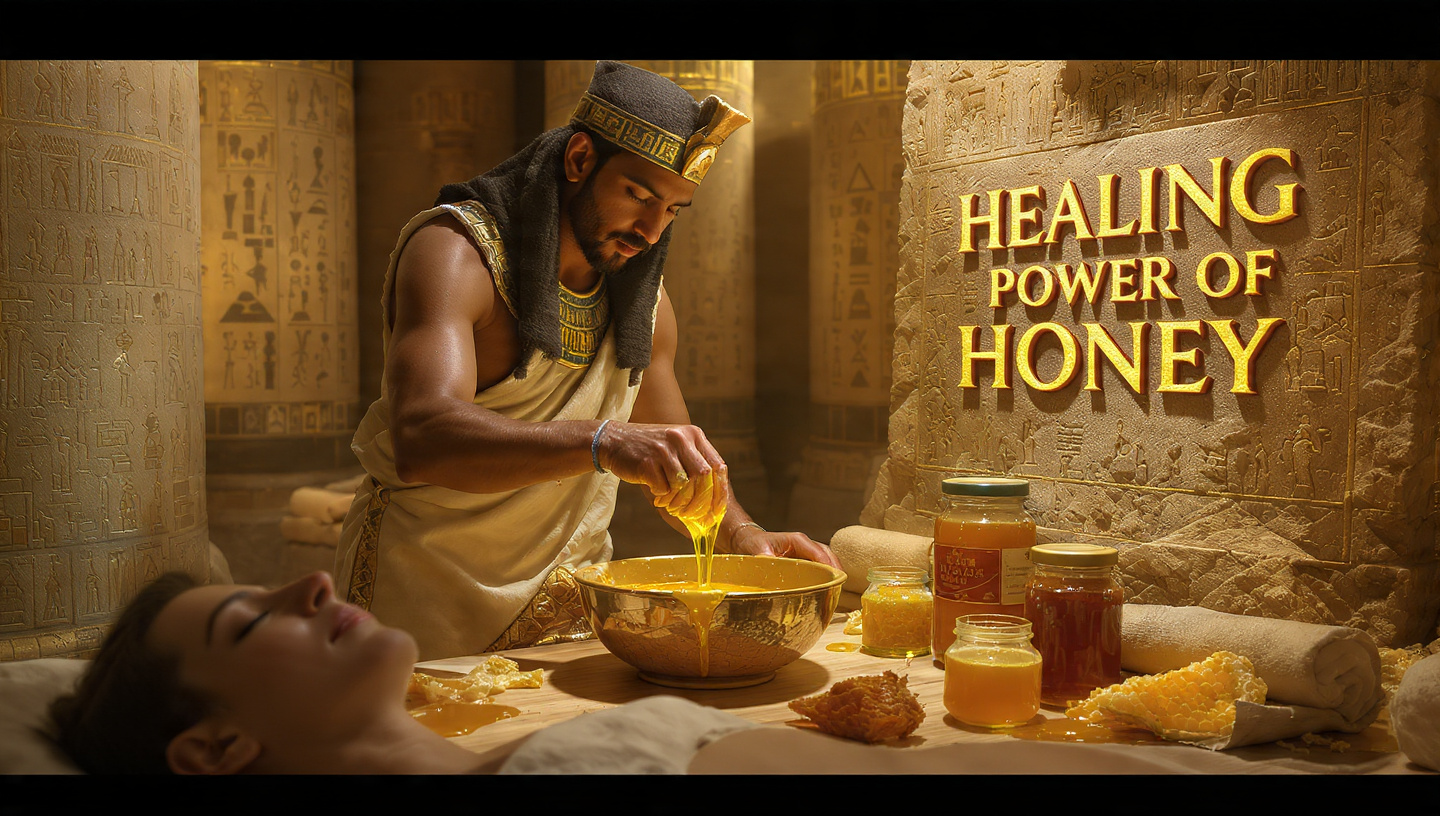
1. The World's First Pharmacy — Egyptian Herbal Medicine
Over 3,500 years ago, ancient Egyptian physicians were successfully treating skin conditions we struggle with today—eczema, psoriasis, acne, and infections—using only what nature provided. Their pharmacopoeia was the natural world, and their clinical knowledge was documented in some of the oldest medical texts ever discovered.
The Ebers Papyrus, dating to approximately 1550 BCE, contains over 800 prescriptions for various ailments, with skin conditions occupying a significant portion. Egyptian physicians understood that different plants had different properties—anti-inflammatory, antimicrobial, and astringent—and they combined them in precise formulations for maximum effect.
2. Aloe Vera — The Plant of Immortality
Aloe vera was known in ancient Egypt as the "plant of immortality." Egyptian queens applied aloe gel to their skin as a regular beauty treatment, and the plant was listed in over a dozen prescriptions for conditions ranging from burns to complex infections. Modern science has identified over 75 active compounds in aloe gel, including polysaccharides that promote cell regeneration.
3. Frankincense — The Sacred Resin
Frankincense was one of the most precious substances in ancient Egypt, reserved for sacred rituals and royal medicine. For skin diseases, it was considered especially powerful. Egyptian physicians used it to treat chronic conditions and inflamed wounds. Modern research has identified boswellic acids as the key bioactive compounds, providing potent anti-inflammatory effects that support skin resiliency.
4. Myrrh — The Healer of Wounds
Myrrh was associated with the processes of restoration and rebirth. For skin diseases, it was considered particularly effective for ulcers and infected conditions. Studies show that myrrh stimulates tissue regeneration and increases blood flow to wounded areas, accelerating the natural healing process.
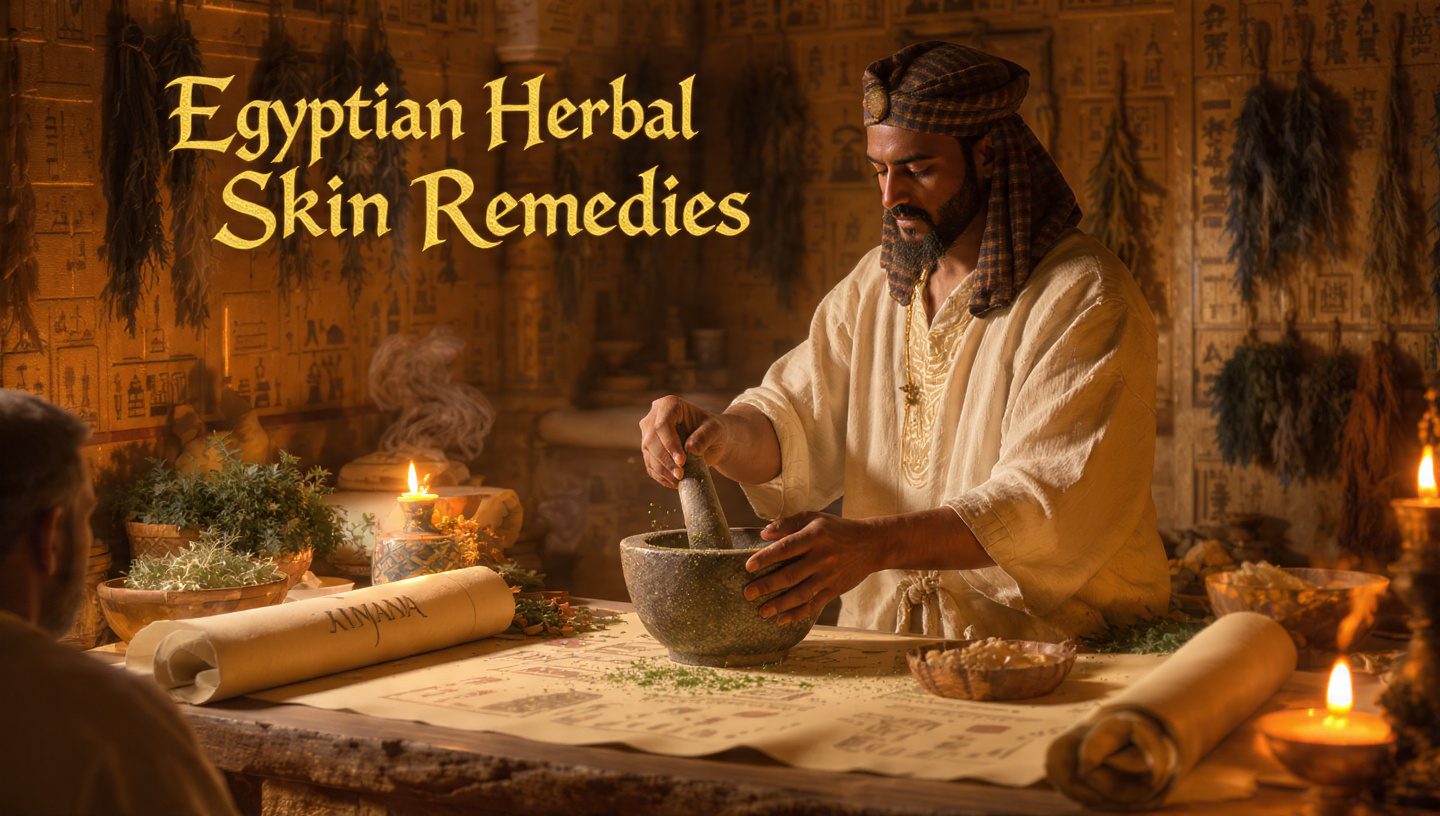
Resins and botanical materials were ground into fine powders to release their therapeutic compounds.
5. Chamomile — The Gentle Healer
Dedicated to the sun god Ra, chamomile was valued for its warming and soothing properties. In Egyptian medicine, it was applied as a wash or compress for inflamed skin. Its active compounds, such as alpha-bisabolol, demonstrate powerful anti-irritant and skin-soothing properties that reduce sensitivity and promote healing.
6. Neem — Trade-Route Medicine
Imported along trade routes, neem was used in Egypt for infectious skin conditions and chronic inflammatory diseases. For acne and boils, neem was a standard treatment due to its combination of antibacterial and sebum-regulating properties. Its active component, nimbidin, provides significant anti-inflammatory support.
7. Calendula — The Skin Healer
Calendula was a staple of Egyptian salves, valued for its ability to heal burns and deep cuts. The bright orange flowers were associate with healing light. Modern research shows that calendula accelerates wound contraction and supports the formation of healthy new skin tissue through its triterpenoid content.
8. The Principle of Herbal Synergy
A sophisticated aspect of Egyptian medicine was the understanding that herbs work better in combination. A typical eczema treatment might combine chamomile (anti-inflammatory), calendula (tissue repair), and honey (antimicrobial). This "entourage effect" created comprehensive treatments that addressed multiple layers of a condition simultaneously.
9. The Living Legacy of Egyptian Herbal Medicine
The herbal remedies of ancient Egypt represent thousands of years of observation and refinement. Their continued effectiveness is a living tradition of healing that confirms nature provides powerful compounds that often work alongside or even better than synthetic alternatives for chronic skin health.
🛡️ Disclaimer
This guide is for educational purposes only and does not constitute medical advice. Always consult with a qualified healthcare provider before starting any new herbal treatment.