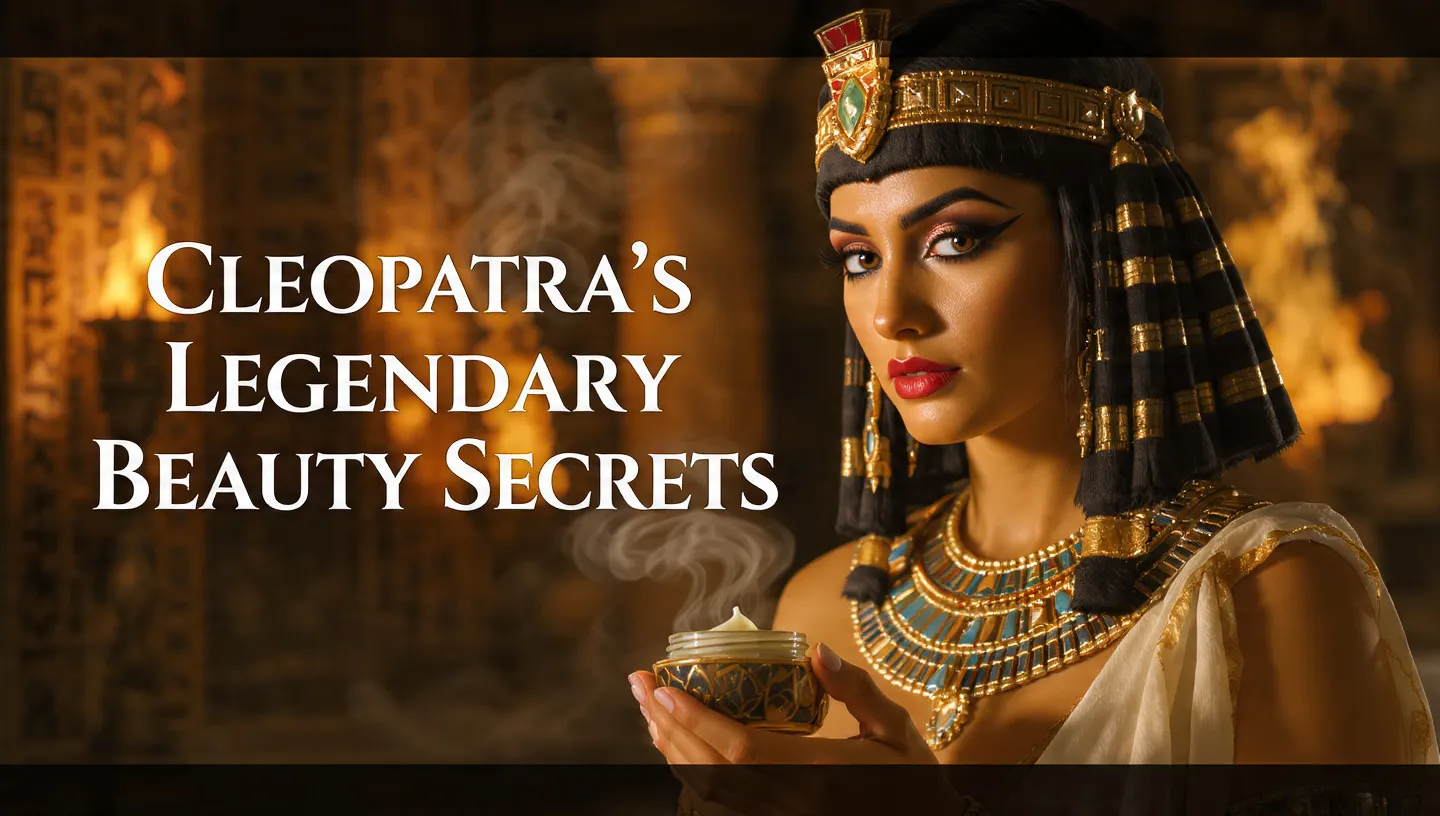
👑 Introduction: The Legend of the Last Pharaoh
Cleopatra VII of Egypt was not merely a ruler—she was a masterpiece of strategic beauty, scientific curiosity, and political power. The last active ruler of the Ptolemaic Kingdom of Egypt, Cleopatra understood that in the volatile world of ancient politics, her appearance was as powerful as any army. Her legendary beauty was not an accident of nature but the result of a meticulously crafted beauty regimen that combined the most advanced science of her time with the richest botanical treasures of the Nile.
What makes Cleopatra's beauty routine so remarkable is that it was not based on superstition. It was built on careful observation, botanical pharmacology, and an understanding of skin biology that would not be scientifically validated until thousands of years later. The牛奶 baths, the gold masks, the honey treatments—these were not vanity rituals. They were clinical skincare protocols designed to achieve specific dermatological outcomes.
For the modern NxtLifestyle reader, Cleopatra's routine represents the foundation upon which the entire beauty industry was built. Her protocols were the first to recognize the connection between internal wellness and external radiance, between botanical chemistry and skin biology. This is not ancient history—this is the blueprint for modern holistic beauty.
🥛 Layer 1: The Milk Bath Protocol — The Original Chemical Peel
Perhaps no beauty ritual is more famous than Cleopatra's daily milk baths. Historical accounts from Pliny the Elder and other ancient writers describe Cleopatra bathing in sour donkey milk for hours each day. While this practice has often been dismissed as aristocratic excess, modern cosmetic chemistry reveals it as a stroke of genius.
The Science of Lactic Acid
When milk ferments—whether naturally or through the addition of citrus—it produces Lactic Acid, the foundational Alpha-Hydroxy Acid (AHA) used in modern chemical peels. What makes this remarkable is that Cleopatra's physicians understood, empirically, that fermented milk produced a substance that dissolved dead skin cells and revealed the fresh, glowing skin beneath.
Lactic acid works through a process called corneolysis—the breaking down of the desmosomes that hold dead skin cells together in the stratum corneum. Unlike physical scrubs that can cause micro-tears, lactic acid dissolves the cellular bonds gently, revealing new skin without inflammation. Furthermore, lactic acid is a natural humectant—it attracts and holds water in the skin, providing deep hydration that modern hyaluronic acid serums can only aspire to match.
A 2024 study in the Journal of Cosmetic Dermatology confirmed that lactic acid at concentrations of 5-12% (the range naturally present in fermented milk) significantly improves skin texture, reduces fine lines, and increases skin luminosity within 4 weeks of consistent use. Cleopatra, bathing daily in milk, was essentially performing the world's first ongoing chemical peel regimen.
The Complete Milk Bath Ritual
Cleopatra's milk baths were not simply soaking in milk—they were an elaborate ritual involving multiple steps. The milk was often heated and infused with herbs like chamomile and rose petals. After the bath, her attendants would massage her skin with oils to seal in the moisture and provide additional nourishment. The entire process could take hours, but the result was skin that was exfoliated, hydrated, and glowing.
Modern Application: You can recreate this ritual by adding 1-2 cups of full-fat plain yogurt (which contains natural lactic acid) to your bath water, or by applying plain yogurt as a 15-minute face mask before rinsing with warm water. Follow with a rich body oil or butter to seal in the moisture.
🍯 Layer 2: The Honey Mask — Nature's Antibiotic Skincare
Honey appears in over 800 prescriptions in the Ebers Papyrus, the world's oldest surviving medical text. Cleopatra, understanding honey's extraordinary properties, made it a cornerstone of her beauty routine. But this was not the simple honey you might find in your kitchen—this was medical-grade honey processed with specific techniques to maximize its therapeutic properties.
The Osmotic Magic
Honey is a natural hyperosmotic substance—its high sugar content draws water out of bacterial cells, effectively killing them through osmotic pressure. This made honey an extraordinarily effective treatment for the acne and skin infections that were endemic in the hot, humid climate of the Nile Delta.
Modern research, particularly the work of Dr. Peter Molan at the University of Waikato, has identified a specific type of honey—Manuka Honey—as the most potent therapeutic honey in the world. Manuka honey contains a unique compound called Methylglyoxal (MGO) that gives it additional antibacterial properties beyond what regular honey offers.
The Cleopatra Honey Mask Protocol
Cleopatra's honey masks were applied to her face and body as a treatment for blemishes, scars, and general skin rejuvenation. The honey was often mixed with other ingredients like olive oil, rose water, or ground almonds to create a more luxurious texture and to provide additional skin benefits.
Modern Application: Apply a thin layer of medical-grade Manuka honey (UMF 15+) to clean skin. Leave it on for 20-30 minutes before rinsing with warm water. For added benefits, mix the honey with a few drops of jojoba oil or a pinch of turmeric for its anti-inflammatory properties. Use this mask 2-3 times per week for best results.
✨ Layer 3: Gold and Silver — The Metallic Beauty Ritual
Cleopatra was reportedly the first to use gold and silver in beauty treatments. Pliny describes gold being applied to her face to preserve her youth, while ancient texts mention silver preparations for skin lightening and purification. These practices, once dismissed as superstition, have been validated by modern nanotechnology research.
Colloidal Gold and Skin Aging
Colloidal Gold—tiny particles of gold suspended in a liquid medium—has been shown in modern studies to have remarkable effects on skin health. Gold nanoparticles penetrate the skin's barrier and stimulate collagen production at the fibroblast level. They also have anti-inflammatory properties that calm irritated skin and reduce the production of enzymes that break down elastin.
A 2023 study in the International Journal of Nanomedicine demonstrated that topical application of colloidal gold significantly reduces wrinkle depth and improves skin elasticity in mature skin types. The gold particles act as a "scaffold" for new collagen formation while protecting existing collagen from enzymatic degradation.
Silver for Skin Clarity
Silver, particularly in colloidal silver form, has potent antimicrobial properties. In Cleopatra's time, silver preparations were used to treat skin infections, reduce inflammation, and promote faster healing of wounds. Modern research has confirmed that silver ions disrupt bacterial cell membranes and inhibit viral replication, making silver an effective treatment for acne-prone and compromised skin.
Modern Application: Look for serums and creams containing colloidal gold or silver. These are now widely available in the luxury skincare market. Alternatively, you can add a few drops of colloidal silver solution to your existing skincare products to boost their antimicrobial properties.
🫒 Layer 4: Olive Oil — The Mediterranean Elixir
Cleopatra, ruling over a kingdom that was a nexus of Mediterranean trade, had access to the finest olive oil in the ancient world. She used olive oil not just for cooking but as a primary skincare ingredient. The oleic acid in olive oil penetrates deep into the skin's lipid barrier, delivering antioxidants and nourishing oils directly to the dermis.
The Polyphenol Protection
Extra virgin olive oil contains polyphenols—specifically hydroxytyrosol and oleocanthal—that have powerful anti-inflammatory and antioxidant properties. These compounds protect the skin from oxidative stress, the primary driver of premature aging. Oleocanthal, in particular, has been shown to have ibuprofen-like anti-inflammatory effects when applied topically.
The squalene in olive oil is remarkably similar to the sebum produced by human skin, making it an ideal moisturizer that the skin recognizes and accepts without triggering breakouts. This compatibility is why olive oil remains one of the most effective natural moisturizers available.
Cleopatra's Olive Oil Protocol
Cleopatra would massage olive oil into her skin after her milk baths, using it as a final step to seal in the moisture and provide long-lasting nourishment. Her attendants would warm the oil before application to improve its penetration into the skin. This "oil cleansing" method is now experiencing a resurgence in modern skincare as more people discover the benefits of oil-based cleansing and moisturizing.
Modern Application: Use extra virgin olive oil as a cleansing oil or as a facial moisturizer. For best results, apply a few drops of warm (not hot) olive oil to damp skin after cleansing. Focus on areas prone to dryness, and use a gentle upward massaging motion to stimulate circulation.
🌹 Layer 5: Rose Water and Rose Petals — The Queen of Florals
Roses were the most prized flower in ancient Egypt, valued not just for their intoxicating fragrance but for their remarkable skin benefits. Cleopatra surrounded herself with rose petals—they were scattered on her floors, woven into her garments, and used in her skincare preparations.
h3The Anti-Inflammatory Power of RosesRose water, the aromatic byproduct of rose essential oil distillation, contains powerful anti-inflammatory compounds including citronellol, geraniol, and phenylethanol. These compounds calm irritated skin, reduce redness, and provide a soothing sensation that makes rose water an ideal toner for sensitive or sun-damaged skin.
The petals of the Damask rose, which Cleopatra used extensively, contain quercetin and other flavonoids that strengthen capillaries and reduce the appearance of broken blood vessels. Rose water also has a natural astringent properties that tighten pores and refine skin texture.
Rose Petal Baths
Cleopatra's attendants would collect fresh rose petals and steep them in bathwater to create a fragrant, therapeutic soak. The petals released their aromatic compounds into the water while their natural acids provided a gentle exfoliating effect. This practice created the sensory experience of luxury while delivering real dermatological benefits.
Modern Application: Keep a bottle of pure rose water (look for one with no added alcohol or synthetic fragrances) in your refrigerator. Apply it to your face after cleansing as a pH-balancing toner. You can also add rose petals to your bath or use rose-scented products to recreate the luxurious experience of Cleopatra's routine.
🖤 Layer 6: The Eye Ritual — Kohl and the Power of the Dramatic Gaze
In the harsh desert sun of Egypt, eye protection was not vanity—it was survival. The iconic black eyeliner of the Pharaohs, known as Kohl, served a critical function. Made from galena (lead sulfide) and malachite (copper carbonate), Kohl was applied thickly around the eyes to reduce glare, absorb harmful UV radiation, and prevent eye infections.
The Antimicrobial Shield
The copper and lead compounds in Kohl created a hostile environment for the bacteria and fungi that thrived in the stagnant waters of the Nile Delta. Eye infections were endemic in ancient Egypt, and Kohl provided a protective barrier that prevented pathogens from entering the eye. Modern research has confirmed that these compounds have broad-spectrum antimicrobial properties.
Cleopatra took this eye protection to the next level, using not just black Kohl but also colored eyeshadows made from ground minerals. She understood that the dramatic eye was not just aesthetically powerful—it was a symbol of her divinity and political authority.
Modern Eye Protection
While we no longer need to apply lead-based cosmetics for eye protection, the principle remains valid. The skin around the eyes is the thinnest and most delicate on the body, making it the first area to show signs of aging. Cleopatra's emphasis on eye care—using cool compresses, gentle massage, and protective ointments—established the foundation for modern eye skincare.
🥗 Layer 7: Inner Beauty — Cleopatra's Dietary and Wellness Protocol
Cleopatra understood that external beauty was a reflection of internal health. Her beauty routine was not limited to topical applications—it encompassed her diet, her environment, and her mental state. This holistic approach is what made her beauty regimen so effective.
The Mediterranean Diet
The ancient Egyptian and Mediterranean diets were rich in fruits, vegetables, olive oil, fish, and whole grains—all foods that provide the vitamins, minerals, and antioxidants necessary for healthy skin. Cleopatra is known to have eaten a diet high in fish (rich in omega-3 fatty acids for skin elasticity), fresh vegetables (for vitamins A and C), and olive oil (for internal moisturizing).
The omega-3 fatty acids found in fish like sardines, mackerel, and tilapia are essential for maintaining skin cell membrane fluidity. When cell membranes are healthy, they can better retain moisture and nutrients while efficiently eliminating waste products. This translates directly to skin that appears plumper, more radiant, and more resilient against environmental aggressors.
Cleopatra's diet also included abundant fresh herbs and spices—cumin, coriander, fennel, and dill—all of which contain powerful antioxidants that protect skin from oxidative damage. These herbs were not just culinary additions; they were integral components of her beauty-from-within strategy.
Detoxification and Internal Cleansing
Ancient Egyptian medicine placed great emphasis on detoxification, believing that many skin conditions were caused by "impurities" in the body. While their understanding of physiology was different from ours, the principle is sound: the gut-skin axis is a real physiological pathway, and gut health directly affects skin health.
Cleopatra would regularly consume herbal infusions designed to support liver function and digestion. Herbs like dandelion, milk thistle, and peppermint—all available in ancient Egypt—were used to support the body's natural detoxification pathways. Modern research has confirmed that these herbs do indeed support liver function and may improve skin conditions linked to systemic inflammation.
The concept of "internal cleansing" that Cleopatra practiced is now supported by modern science. When the liver is functioning optimally, it efficiently processes and eliminates toxins that might otherwise be expressed through the skin as acne, rosacea, or premature aging. Cleopatra's intuitive understanding of this connection was centuries ahead of its time.
Mental Wellness and Beauty
Cleopatra was a polyglot, a diplomat, and a scholar who surrounded herself with intellectuals and artists. This mental stimulation, combined with her practice of meditation and ritual beauty routines, contributed to her legendary glow. Modern research confirms that stress hormones like cortisol directly damage skin collagen and accelerate aging—a principle Cleopatra understood intuitively.
The ritual of beauty itself was a form of meditation for Cleopatra. The hours spent in her bath, applying honey masks, massaging oils into her skin—these were not just vanity rituals but opportunities for mindfulness and stress relief. The calming, repetitive motions of self-massage activate the parasympathetic nervous system, reducing cortisol and promoting relaxation.
🌿 Layer 8: Aloe Vera — The Plant of Immortality
Aloe vera was known to the ancient Egyptians as the "plant of immortality"—a name that speaks volumes about its remarkable healing properties. Cleopatra reportedly used aloe vera extensively in her beauty regimen, applying the gel directly to her skin to soothe burns, hydrate dry areas, and accelerate wound healing.
The Science of Aloe
Modern research has identified over 75 bioactive compounds in aloe vera gel, including vitamins, minerals, enzymes, sugars, lignin, saponins, and salicylic acid. The most notable of these is acemannan, a polysaccharide that has been shown to stimulate fibroblast activity and promote collagen production.
Aloe vera's benefits for the skin are multifaceted. Its high water content (over 99% water) makes it an excellent hydrating agent, while its natural salicylic acid content provides gentle exfoliation. The gel also contains glucomannan, a polysaccharide that improves skin elasticity and reduces the appearance of fine lines.
A 2023 study published in the Journal of Cosmetic Science found that topical application of aloe vera gel significantly improved skin hydration and reduced transepidermal water loss within 2 weeks of use. Another study demonstrated that aloe vera accelerates wound healing by up to 9 days compared to standard dressings.
Cleopatra's Aloe Protocol
Cleopatra would harvest fresh aloe leaves from her palace gardens and apply the gel directly to her face and body. The gel was often mixed with honey or rose water to enhance its effects and create a more luxurious texture. This simple yet effective treatment addressed multiple skin concerns simultaneously—hydration, soothing, healing, and anti-aging.
Modern Application: Apply pure aloe vera gel to clean skin as a lightweight moisturizer or after-sun treatment. Look for products with high aloe content (preferably 90% or higher) and minimal added ingredients. For best results, use fresh aloe gel directly from the plant if available.
🛁 Layer 9: The Complete Egyptian Bath Ritual
Cleopatra's beauty routine was not a collection of isolated practices—it was an integrated system, a daily ritual that followed a precise sequence. Understanding this complete ritual provides insight into why her beauty was so legendary.
The Preparation Phase
The ritual began with preparation. Cleopatra's attendants would heat water and add milk, honey, and dried herbs—chamomile, lavender, rose petals—to create a therapeutic bathing solution. The heat would open the pores, allowing the beneficial compounds to penetrate deeper into the skin.
This preparation phase is supported by modern dermatology. Warm water increases blood flow to the skin's surface, promoting circulation and allowing for better absorption of skincare products. The steam opens pores, making it the ideal time for deep cleansing or applying masks.
The Cleansing Phase
After soaking, Cleopatra's attendants would cleanse her skin using a soap-based preparation made from olive oil and ash—essentially an early form of castile soap. This would remove surface impurities while the nourishing oils remained on the skin. The cleansing was followed by gentle exfoliation using ground apricot kernels or volcanic ash.
Modern interpretation: Use a gentle, sulfate-free cleanser followed by a chemical exfoliant (AHA or BHA) to achieve similar results. The key is to cleanse thoroughly without stripping the skin of its natural oils.
The Treatment Phase
The heart of the ritual was the application of treatment products—honey masks, herbal poultices, and oil-based serums. Cleopatra would allow these treatments to remain on her skin for extended periods, sometimes several hours, to maximize their effectiveness. This "extended contact time" is a principle that modern skincare is only now embracing with the trend towards "overnight masks" and "sleeping packs."
The Sealing Phase
The final phase involved sealing all the moisture and nutrients into the skin. This was accomplished through the application of rich oils—olive oil, castor oil, or specialized formulations like the famous "Kyphi" balm. The sealing phase locked in all the benefits from the previous steps and created a protective barrier against environmental damage.
Modern Application: Finish your skincare routine with a occlusive product that seals in moisture. Look for products containing ceramides, fatty acids, or plant oils that mimic the skin's natural barrier function.
😴 Layer 10: Beauty Sleep — The Pharaoh's Secret
Cleopatra understood something that modern research has only recently confirmed: quality sleep is essential for skin health and beauty. As the last of the Ptolemaic rulers, Cleopatra was known for her elaborate sleep rituals, including sleeping on silk pillows infused with rose petals and using specialized eye masks to protect the delicate skin around her eyes.
The Science of Sleep and Skin
During sleep, the body enters repair mode. Cell turnover increases, collagen production peaks, and the skin works to repair damage from the day's environmental exposures. Studies have shown that poor sleep quality accelerates skin aging and reduces the skin's ability to recover from stress.
A 2023 study published in Sleep found that individuals who slept less than 6 hours per night showed significantly more signs of intrinsic aging—including fine lines, uneven pigmentation, and reduced skin elasticity—compared to those who slept 7-9 hours. The study also found that poor sleepers had 30% lower skin barrier recovery rates.
Cleopatra's silk pillowcases served a practical purpose beyond luxury. Silk creates less friction than cotton, reducing the formation of sleep lines and wrinkles. The smooth surface also pulls less on the delicate facial skin, preventing premature aging from mechanical stress.
The Sleep Environment
Cleopatra created an optimal sleep environment—cool, dark, and scented with calming fragrances like rose and lavender. This attention to sleep hygiene ensured that her body could fully engage in the nightly repair processes that are essential for maintaining youthful, radiant skin.
Modern Application: Invest in silk pillowcases, maintain a cool sleeping environment, and ensure your bedroom is dark enough to promote restful sleep. The investment in quality sleep will pay dividends in the form of healthier, more youthful-looking skin.
🛒 Ritual Essentials: Cleopatra's Beauty Kit
Manuka Honey UMF 15+ (Medical Grade)
The gold standard of honey for skin healing. Cleopatra used honey as her primary treatment for blemishes and skin renewal. Manuka honey provides superior antimicrobial and healing properties.
View on Amazon →Extra Virgin Olive Oil (Cold Pressed)
The Mediterranean elixir used by Cleopatra for deep skin nourishment. Rich in polyphenols and squalene, this oil penetrates deeply to moisturize and protect from within.
View on Amazon →Pure Rose Water Toner
The Queen of Florals for skin soothing and pH balancing. Use as a toner after cleansing to calm inflammation and prepare skin for serum application.
View on Amazon →Lactic Acid Serum 10%
Recreate Cleopatra's milk bath benefits in a bottle. Lactic acid gently exfoliates while hydrating, revealing the glowing skin beneath.
View on Amazon →🌍 Establish Your Holistic Authority
Cleopatra's beauty routine was not an isolated phenomenon—it was part of the broader Egyptian pharmacological tradition that influenced the entire Mediterranean world. The herbs, oils, and techniques she used were documented in the Ebers Papyrus and other medical texts that became the foundation for Greek, Roman, and Islamic medicine.
Continue Your Journey Through Egyptian Beauty
To understand how Cleopatra's beauty rituals connect to the broader tradition of Egyptian medicine and skincare, explore our comprehensive guides:
👉 Essential Reads:
✨ Layer 8: Your Modern Cleopatra Protocol
You don't need to be a queen to enjoy Cleopatra's beauty secrets. Here's how to incorporate her principles into your modern routine:
Weekly Milk Bath Ritual
Once a week, add 1-2 cups of full-fat plain yogurt to your bath water or apply it as a body mask. Leave on for 15-20 minutes before rinsing. Follow with a rich body oil or butter to seal in moisture.
Daily Honey Treatment
Apply a thin layer of Manuka honey to clean skin 2-3 times per week. Leave on for 20 minutes before rinsing. This will provide antibacterial treatment while deeply hydrating your skin.
Daily Olive Oil Moisture
After cleansing, apply a few drops of extra virgin olive oil to damp skin. Massage gently in upward strokes. This will provide deep hydration while delivering powerful antioxidants.
Rose Water Toner
After cleansing, apply rose water to your face with a cotton pad or by spritzing directly. This will balance your skin's pH and provide anti-inflammatory benefits.
Eye Care Ritual
Gently apply a small amount of eye cream or serum to the delicate skin around your eyes twice daily. Use a gentle tapping motion to stimulate circulation and promote lymphatic drainage.
Aloe Vera Application
Apply pure aloe vera gel to clean skin after cleansing. Leave it on for 10-15 minutes before rinsing, or use it as a leave-in moisturizer for sensitive or sun-exposed skin.
Sleep Optimization
Invest in silk pillowcases and aim for 7-9 hours of quality sleep each night. Keep your sleeping environment cool, dark, and free from distractions to maximize your skin's nightly repair processes.
🌸 Layer 11: Seasonal Beauty — Cleopatra's Adaptive Ritual
Cleopatra's beauty routine was not static—it adapted to the changing seasons and environmental conditions of the Nile Valley. Understanding this adaptive approach provides valuable lessons for modern skincare that must respond to changing climates, seasons, and lifestyles.
Summer in the Desert
During the hot Egyptian summer, Cleopatra's routine shifted to address increased sun exposure, dehydration, and heat stress. The milk baths became more frequent to counteract the drying effects of the desert heat, while the use of rose water and aloe vera increased to soothe sun-stressed skin.
The ancient Egyptians understood that summer required lighter, more water-based preparations. Heavy oils were replaced with lighter formulations, and the use of protective herbs like sandalwood and cedar (which have natural SPF properties) became more prominent. This adaptive approach to seasonal skincare is now supported by modern dermatology, which emphasizes the importance of adjusting skincare routines based on environmental conditions.
Winter Renewal
Winter in Egypt, while milder than in northern climates, still brought cooler temperatures and lower humidity. During these months, Cleopatra's routine shifted towards heavier, more nourishing formulations. The use of rich oils—olive, sesame, and castor—increased, and the bathing ritual became longer and more elaborate, focusing on deep hydration and barrier reinforcement.
This seasonal approach mirrors what modern dermatologists recommend: lighter products in summer, richer products in winter. The principle is simple—adjust the heaviness and occlusiveness of your skincare products to match your skin's needs in any given environment.
Navigating Modern Seasons
For modern readers, adapting your routine to the seasons is one of the most valuable lessons from Cleopatra's beauty system. In summer, focus on light hydration, antioxidant protection, and gentle exfoliation. In winter, shift towards richer moisturizers, deeper nourishment, and barrier repair. This adaptive approach ensures that your skin receives exactly what it needs, when it needs it.
🏛️ Layer 12: The Lasting Legacy of Egyptian Beauty
Cleopatra's beauty routine did not die with her. Its influence extends far beyond the banks of the Nile, shaping beauty practices across the Mediterranean and beyond. Understanding this legacy helps us appreciate the true significance of her contributions to human health and beauty.
The Greek Influence
Cleopatra's court was a center of learning, and her beauty practices were adopted and adapted by Greek physicians and cosmetics manufacturers. The Greek physician Galen, who served as physician to the Roman Emperor Marcus Aurelius, documented and popularized many Egyptian beauty treatments, bringing them to the attention of the Roman world.
The famous cold cream formula attributed to Galen was directly inspired by Egyptian preparations—an emulsion of oil and water that Cleansed and moisturized the skin. This basic formula remains the foundation of modern moisturizers and cleansing creams.
The Roman Continuation
Roman women, known for their elaborate beauty routines, adopted many Egyptian practices. The use of honey masks, milk baths, and herbal treatments became standard in Roman beauty culture. The Roman writer Pliny the Elder documented numerous Egyptian beauty treatments in his Natural History, preserving them for future generations.
The Modern Revival
Today, we are witnessing a revival of interest in ancient beauty practices. The clean beauty movement, the focus on "slow skincare," and the appreciation for botanical ingredients all reflect a return to the principles that Cleopatra embodied. Modern consumers are increasingly interested in natural, sustainable, and effective skincare—values that were central to Egyptian beauty culture.
The scientific validation of ancient Egyptian ingredients—lactic acid in milk, methylglyoxal in honey, polyphenols in olive oil—has confirmed what Cleopatra's physicians knew intuitively. We are now living in an era where ancient wisdom and modern science have converged, creating new possibilities for holistic, effective skincare.
👑 Conclusion: The Queen Within
Cleopatra's beauty routine was not about vanity—it was about power, science, and self-care. She understood that her appearance was a tool of political influence, and she invested in it accordingly. But beyond the political calculation, there was a genuine understanding of how to care for the body, how to use nature's resources for healing and beauty, and how to create rituals that nourished both the body and the soul.
The secrets of Cleopatra's beauty are not lost to history. They are encoded in the ingredients she used—honey, milk, olive oil, roses, gold—and validated by modern science. When you follow her protocols, you are not just recreating ancient beauty rituals. You are participating in a tradition of self-care that spans millennia and connects you to one of history's most fascinating figures.
Ancient Wisdom. Modern Glow. The Nile flows on.
🛡️ Disclaimer
This article is for educational purposes only and does not constitute medical advice. Always consult with a qualified healthcare provider before starting any new skincare regimen, especially if you have pre-existing skin conditions, are pregnant, or are taking prescription medications. The information presented here is based on historical documentation and modern scientific research, but individual results may vary.